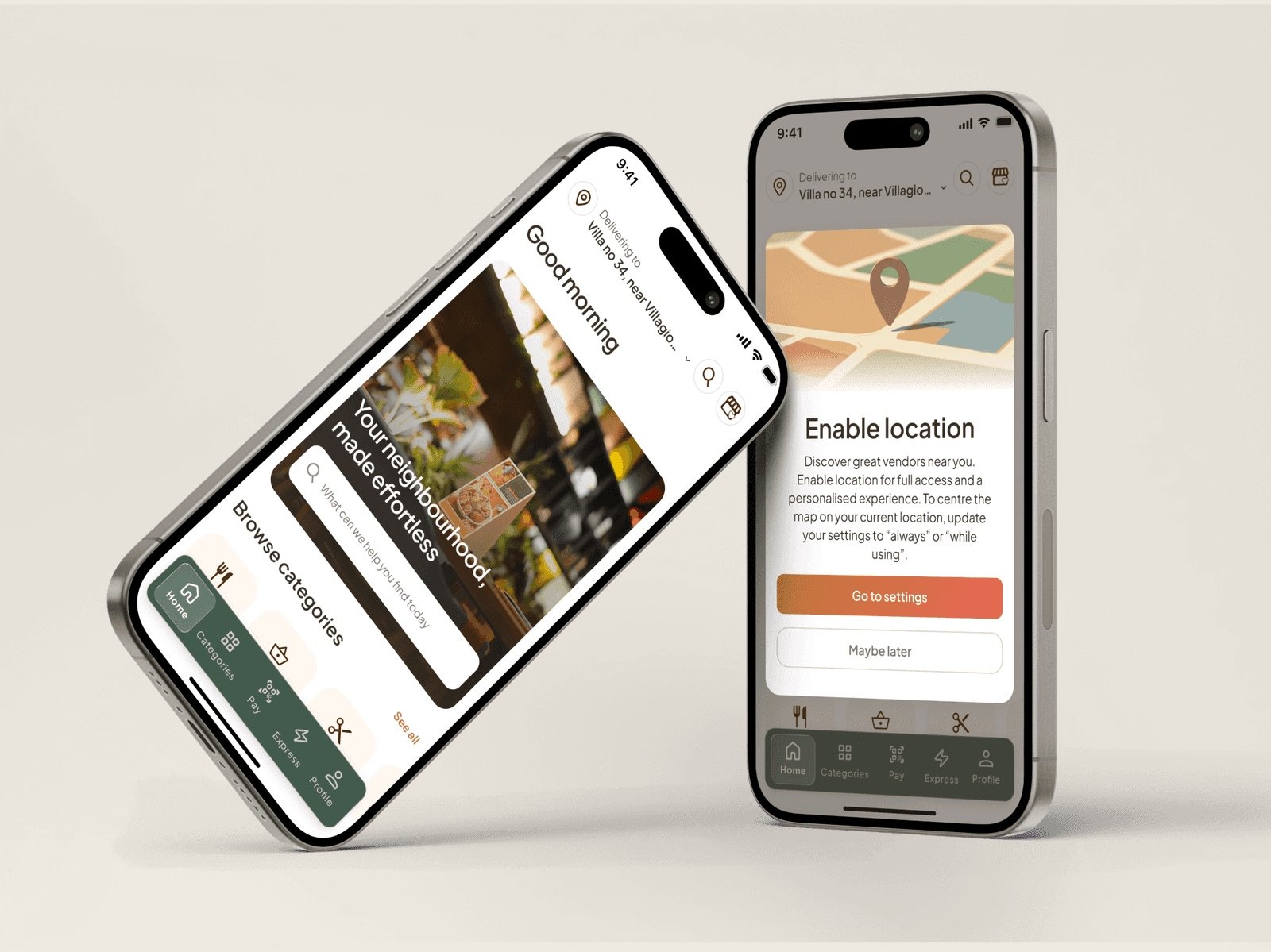
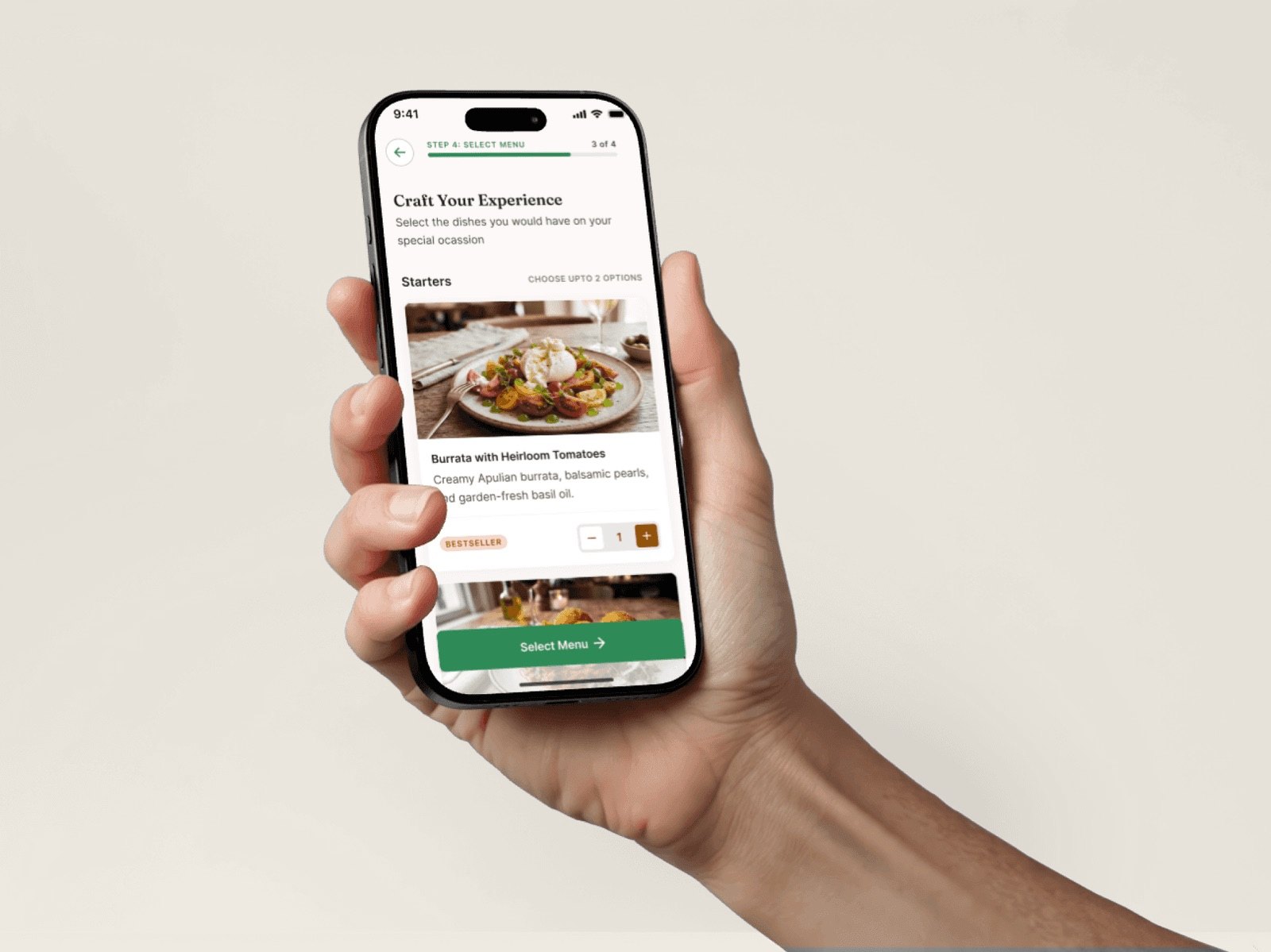
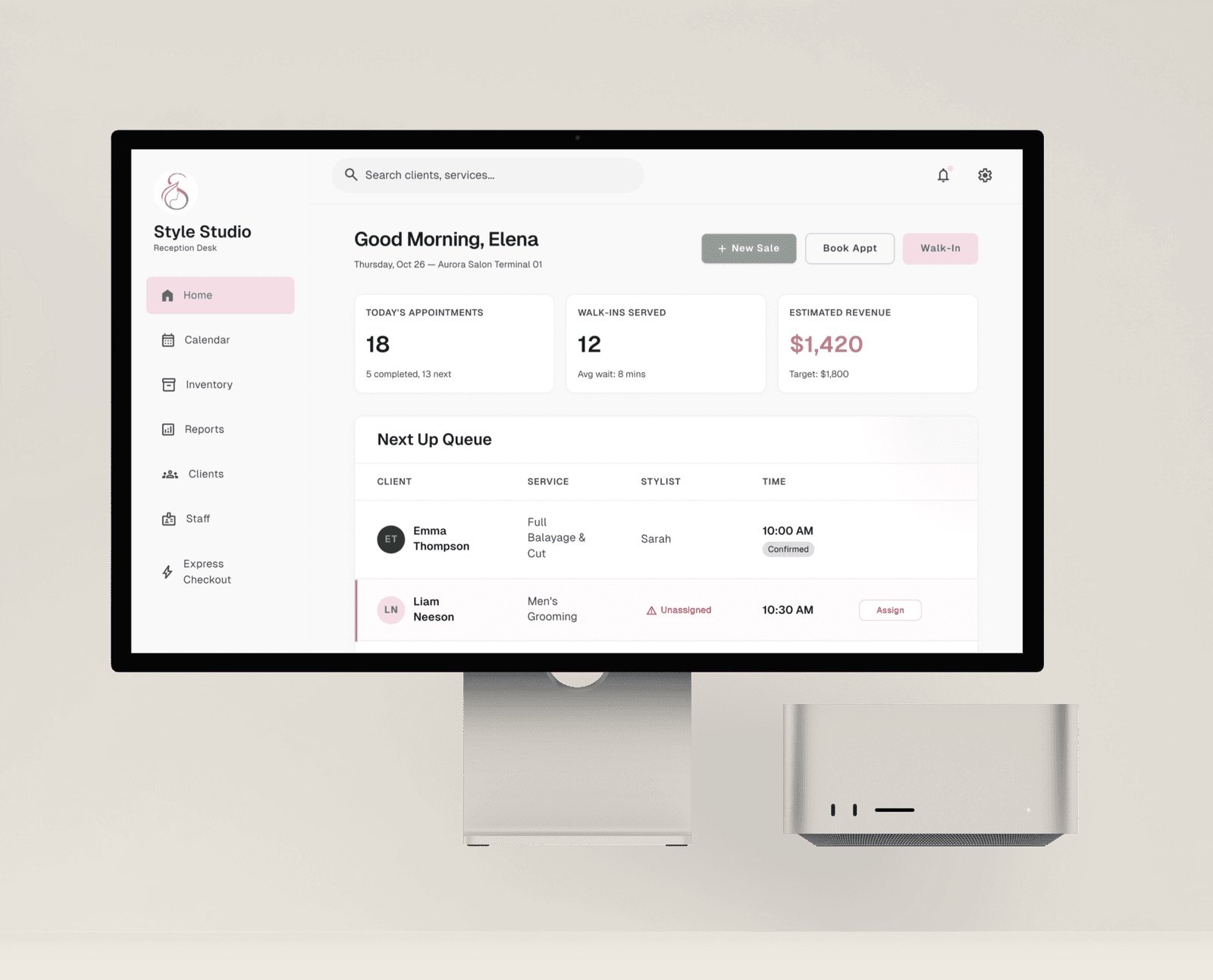
Case study 01 · Healthcare · AI · 2026

An AI shift companion nurses would actually trust.

NurseRelay AI helps hospital nurses get through a busy shift. It drafts their notes, prepares the handover to the next nurse and flags what needs attention first. The founder had a pitch deck but no user research, so I interviewed 12 nurses before designing anything, and what they told me reshaped the product.

RoleDesign consultantClientAI startupPlatformWebStatusClickable prototypeTeamSolo, working with the clientTimeline1 week
1 · Sign in & start of shift
2 · Ambient capture

The 3 problems I solved

Fewer things to hold in their heads.

Nurses didn’t need another tool. They needed the tools they had to remember for them.

1

Charting takes attention, not just time

"I can be in the room but still thinking about my charting."

Severity 4.8 / 5

Ambient capture drafts the SOAP note during care. The nurse reviews instead of writing.

2

Handoffs lose safety-critical information

Every nurse had inherited a patient with missing or wrong details, patched with paper and WhatsApp.

12 / 12 nurses affected

The handoff builds up during the shift. The outgoing nurse approves it; the incoming nurse gets a structured view.

3

Nurses only trust AI they can check

All twelve would use AI drafts, but only with review, clinical language and an audit trail.

EHR trust: 2.1 / 5

AI content looks different from confirmed content, and one review queue is the only way into the chart.

Discovery

Twelve nurses, one shared reality.

I ran 45–60 minute interviews across the ICU, general wards and the ER, about what a nurse is holding in her head at 3 a.m.

12interviews
3departments
10/12called charting a necessary evil
12/12would use AI, with conditions

From the interviews

Pain points by severity

Severity scores from my research with 12 nurses across the ICU, general wards and the ER, on a scale of 1 (low impact) to 5 (high impact).

  1. Documentation time & repetition4.8 out of 5
  2. Cognitive overload & context switching4.6 out of 5
  3. Handoff quality & information loss4.5 out of 5
  4. Alarm fatigue4.2 out of 5
  5. Task tracking: missed or delayed care4.0 out of 5
  6. Trust in current EHR toolsLow trust is the problem here2.1 out of 5

Highest impact: documentation burden, cognitive overload and handoff gaps.

Personas

Real nurses, real challenges

Three nurses, three departments, one shared reality.

Priya

ICU nurse

2–3 critical patients, but enough to set off 50 to 100+ alarms in a single shift.

Her fear wasn’t having too much to do. It was charting on one patient while another quietly deteriorated three feet away.
  • 2–3 critical patients
  • 50–100+ alarms a shift
  • Split-second decisions
  • Fear of missing a life-threatening change

Daniel

General ward nurse

8–10 patients, drowning not in crisis but in repetition: the same information typed into three places.

A quiet, constant worry about which task might slip through a panel that never stopped filling up.
  • 8–10 patients
  • Same information in 3+ places
  • Risk of missed or delayed tasks
  • A never-ending task panel

Fatima

ER nurse

Patient load can swing from 4 to 15+ in an hour, with no warning.

Build a full clinical picture of a stranger in under five minutes, then document it all from memory once the surge passes.
  • 4 to 15+ patients an hour
  • Full picture in under 5 minutes
  • High unpredictability
  • Documenting from memory

Different settings, different patient loads, same core struggle: staying present with patients while fighting the systems meant to support them.

They don’t need more tools. They need a better way to work.

"I’m afraid of what happens when it’s wrong."— Nurse participant, on AI-drafted notes

Systems thinking

Six places to check. One nurse joining them up.

During a shift, a nurse’s information is spread across six separate places that don’t talk to each other, so she spends her attention stitching them together. I designed NurseRelay to do that stitching for her, while she stays in control of what gets saved.

Today

The nurse does the joining up

  • Patient chart
  • Monitors & alarms
  • Medication record
  • Lab results
  • Previous handover
  • Paper notes & WhatsApp
Nursechecks all six, copies between them by hand

Result: charting after the shift, details lost at handover, and attention pulled away from patients.

With NurseRelay AI

The AI does the joining up

  1. Gatherspulls the latest from all six places automatically
  2. Prepares one viewa shift briefing, urgent alerts and draft notes in one screen
  3. Nurse checks & approvesnothing is saved until she confirms it
  4. Saved to the chartwith a record of where every detail came from
How information moves during a shift, before and after.ILLUSTRATIVE

Decisions

Does it reduce what she has to hold in her head?

  1. Proactive over reactive

    The shift opens with a briefing the AI prepared from overnight data, most urgent first.

  2. Zero-effort input

    Ambient capture, voice and scanning come first. Typing is the fallback.

  3. The human always confirms

    One review queue is the only way into the chart.

  4. Transparent by default

    Every suggestion shows its source.

Five core flows of a shift

Review & approve: the nurse signs off before anything reaches the chart

  1. 01Shift startLogin, briefing, first tasks
    1. Login
    2. Shift setup
    3. Incoming handover
    4. Home: start of shift
    5. Alerts · Tasks · Patients
  2. 02Patient care loopRepeats for every patient, all shift
    1. Patient list
    2. Patient detail
    3. Care in progress
    4. AI draft note
    5. Review & approve
  3. 03Alert responseA critical alert fires
    1. Home
    2. Alert detail
    3. Deterioration risk
    4. Care in progress
    5. Care note
    6. Review & approve
  4. 04DocumentationCapture, draft, review, file
    1. Care in progress
    2. Confirm what AI heard
    3. SOAP or care note
    4. Review & approve
    5. Notes history
  5. 05End of shiftSummarise, hand over, sign off
    1. Home: end of shift
    2. Shift summary
    3. Review & approve
    4. Handover preview
    5. Handover sent
User flows for the five core loops of a shift. Four of five pass through the same approval step.REAL ARTIFACT, REDRAWN

36 screens, 11 sections

How the app is organised, with the number of screens in each section.

  • 2Auth & setupLogin · Shift setup
  • 4Home & insightsStart of shift · End of shift · Priority insights · Quick overview
  • 4PatientsPatient list · Patient profile · Vitals & trends · Timeline
  • 3AlertsAlerts center · Alert detail · Deterioration risk
  • 4Care captureCare in progress · Voice · Scan / camera · Ambient review
  • 5DocumentationAI SOAP notes · Care note · Shift summary · Notes history · Document view
  • 1Review & approveApproval queue
  • 3Tasks & care planCare plan · Task detail · Add task
  • 3Medication & labsMedication record · Lab results · Lab detail
  • 4HandoverEnd-of-shift handover · Preview · Sent · Incoming handover
  • 3Utility & settingsMessages · Resources · Profile
Information architecture: 36 screens in 11 sections.REAL ARTIFACT, REDRAWN

Inside the prototype

Fourteen screens from a nurse’s shift.

Scroll through a shift, from the first alert to the last task. Every screen is from the clickable prototype.

Alerts
Alerts centerEvery alert for the shift, most urgent first.
Alerts
Alert detailWhy it fired, the AI’s read, next steps.
Alerts
Deterioration riskA risk score with the factors behind it.
At the bedside
Care in progressAI captures care as it happens.
At the bedside
Voice commandsHands-free, transcribed live.
At the bedside
Ambient capture reviewShe confirms what the AI heard.
Documentation
AI draft SOAP noteEach section with a confidence score.
Documentation
Care noteAI-drafted, fully editable.
Documentation
Review & approveOne queue for everything to sign off.
Patients
My patientsAcuity at a glance.
Patients
Patient profileWhat needs doing now.
Patients
Vital trendsSix hours of vitals, with AI analysis.
Patients
Lab resultA critical value, explained.
Tasks
Tasks & care planAn AI-prioritised task list.
Scroll or swipe sideways · click a screen to enlarge

Outcome & impact

Reframed by evidence, ready to pilot.

It’s a prototype, so here’s what was delivered, what it’s designed to improve, and the metrics that define success.

Delivered

  • 12interviews
  • 13nurse needs prioritised
  • 36screens designed
  • 7stages prototyped

Designed to improve

  • Less charting after the shift
  • Fewer handoff omissions
  • Less re-entry
  • Higher trust than EHR tools

Success metrics

  • After-shift documentation minutes
  • % of AI drafts approved unedited
  • Handoff gaps reported
  • Trust vs 2.1 baseline

Learnings

  1. Trust is a feature

    The review queue and audit trail were the reason anyone would use it.

  2. Research before the first screen

    Twelve conversations changed the product more than any polish could.

  3. A system keeps AI output consistent

    Next time I’d give the generator design tokens from day one.